.png?width=207&height=19&name=New%20Logo%20(white).png "New Logo (white)")
Discover how integrating esports with STEM education unlocks real-world career opportunities for K-12 students, transforming their passion for gaming into pathways toward high-demand technology and digital media professions.
The Rising Demand for STEM Professionals in the Esports Industry
The esports industry has evolved far beyond competitive gameplay, creating an expanding ecosystem that demands diverse STEM professionals. From software engineers developing anti-cheat systems to data analysts optimizing player performance, the industry now requires expertise in computer science, mathematics, engineering, and technology. According to recent workforce trends, esports organizations seek professionals skilled in artificial intelligence, user experience design, cloud infrastructure, and audio engineering—all fields rooted in STEM education. This convergence of gaming and technology creates unprecedented opportunities for students who combine their passion for esports with strong STEM foundations.
K-12 educators and administrators are uniquely positioned to prepare students for these emerging career pathways. By integrating esports with STEM curriculum, schools can demonstrate the real-world applications of science and mathematics concepts that students encounter daily in their gaming experiences. When students analyze team performance data, they apply statistical analysis. When they explore game mechanics, they engage with physics and engineering principles. When they participate in broadcasting, they utilize audio production and video technology. This practical connection between classroom learning and career possibilities transforms abstract STEM concepts into tangible skill development, motivating students to pursue deeper technological understanding.
The demand extends beyond game development itself. Tournament organizers need event management professionals with project coordination skills. Broadcasting teams require technical directors who understand video production workflows and streaming infrastructure. Team managers use data analytics platforms to inform strategic decisions. Even marketing departments within esports organizations rely on professionals with digital media expertise and understanding of online community engagement. For K-12 students participating in school-based esports clubs, every role they explore—from player to broadcaster to analyst—introduces them to career-ready STEM applications that align with high-growth industries.
How Esports Clubs Bridge Gaming Passion with Career-Ready STEM Skills
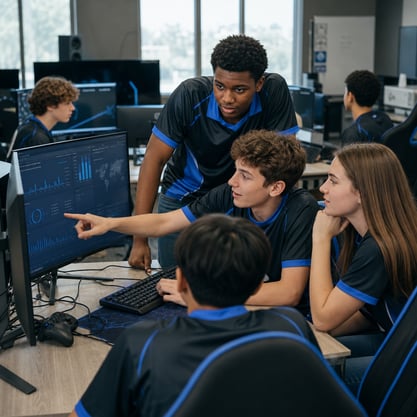
School-based esports clubs provide the ideal environment for transforming student enthusiasm for gaming into measurable STEM learning outcomes. Unlike traditional approaches that treat gaming as mere entertainment, structured esports programs integrate curriculum designed by subject matter experts from leading technology companies. Students engage with lessons covering programming, artificial intelligence, video game design, audio engineering, and user experience design—all connected directly to the games they play and competitions they enter. This discovery-focused approach encourages students to explore STEM concepts through hands-on application rather than isolated subject teaching, making learning both engaging and relevant.
The platform-based structure of comprehensive esports programs enables educators to track student progress through participation dashboards and engagement metrics. Students earn recognition not only through competitive gameplay but also by completing STEM Academy lessons that align with national education standards. This dual-pathway approach ensures that even students without prior gaming experience can contribute meaningfully to their teams while developing technological literacy. Coaches receive complete team setup support and training, removing the guesswork from program implementation and allowing them to focus on student development rather than technical logistics.
What makes esports clubs particularly effective is their ability to reach previously disengaged students who may not participate in traditional extracurricular activities. The inclusive nature of esports creates a sense of belonging and community, particularly for students seeking alternatives to conventional athletics. Through scheduled team practices that combine Academy learning with gameplay, students build collaboration and communication skills while exploring potential STEM career pathways. The turnkey nature of well-designed esports programs means schools of all sizes—from elementary to high school—can launch accessible, engaging experiences that integrate seamlessly into existing school culture without requiring specialized equipment or extensive technical infrastructure.
Real-World Career Pathways Students Can Explore Through Esports
The career opportunities accessible through esports-integrated STEM education span multiple high-demand fields. Game development roles include programmers who write the code powering interactive experiences, designers who create engaging gameplay mechanics, and artists who build immersive visual environments. Students exploring these pathways engage with computer science fundamentals, learning programming languages, understanding algorithms, and applying mathematical concepts to solve technical challenges. Through hands-on projects connected to the games they play, students develop portfolios demonstrating practical skills that college admissions officers and future employers value.
Broadcasting and media production represent another robust career cluster within esports. Students can explore roles as ESPN-style broadcasters, learning public speaking and storytelling while developing technical expertise in video production, audio engineering, and live streaming technology. Technical directors manage the complex systems that deliver seamless viewing experiences, requiring knowledge of networking, video encoding, and cloud solutions. Content creators need skills in digital media, video editing, and audience engagement strategies. These pathways introduce students to career-ready experiences in event management and media production, providing practical applications for STEM concepts learned in technology and mathematics classes.
Data analytics and performance optimization roles showcase how mathematics and statistics drive competitive advantage in esports. Analysts use advanced metrics to evaluate player performance, identify strategic patterns, and inform team decisions. This work requires proficiency in data visualization, statistical modeling, and database management—skills transferable to numerous industries beyond gaming. User experience designers apply psychology and technology to create intuitive interfaces for gaming platforms and team management tools. Hardware specialists focus on PC building, component optimization, and understanding the engineering principles behind gaming technology. Each pathway demonstrates clear connections between classroom STEM learning and professional opportunities, helping students envision futures where their gaming interests align with fulfilling, sustainable careers.
Building Social-Emotional Learning and Teamwork Through Competitive Gaming
Beyond technical skill development, esports clubs cultivate essential social-emotional competencies that students need for college and career readiness. Competitive gaming inherently requires communication, as team members must coordinate strategies, call out information during matches, and provide constructive feedback to improve collective performance. These interactions develop verbal and digital communication skills while teaching students to express ideas clearly under pressure. The team-based structure encourages students to recognize individual strengths, distribute responsibilities effectively, and support one another through both victories and setbacks—all fundamental aspects of workplace collaboration.
Problem-solving abilities flourish in esports environments where students constantly adapt to changing situations, analyze opponent strategies, and develop creative solutions to competitive challenges. This iterative process of trying approaches, evaluating results, and refining strategies mirrors scientific methodology and engineering design thinking. Students learn persistence and resilience as they work through difficult competitions, understanding that improvement comes through consistent effort and willingness to learn from mistakes. Leadership opportunities emerge naturally as students take on roles such as team captain, tournament organizer, or peer mentor, developing confidence and decision-making capabilities that extend far beyond gaming contexts.
The inclusive community created by school-based esports programs particularly benefits students who feel marginalized in traditional school activities. Organizations report that esports reaches students often overlooked by conventional extracurricular offerings, providing them with meaningful connections and sense of belonging. High participation rates—often exceeding 75% event attendance—demonstrate that students remain engaged when activities align with their interests and provide clear pathways for contribution. Schools implementing comprehensive esports programs report measurable improvements in student attendance, classroom grades, and reduced disciplinary incidents, as students become invested in maintaining eligibility for teams and competitions they value. This positive impact on school culture and student wellbeing makes esports integration a powerful tool for promoting both academic achievement and social development.
Implementing STEM-Integrated Esports Programs in Your School or Organization
Successfully launching an esports program requires careful planning but need not be overwhelming with proper support and resources. Schools should begin by identifying program champions—educators or administrators passionate about student engagement who can advocate for esports as an educational opportunity rather than distraction. Establishing clear goals aligned with institutional priorities helps secure buy-in from stakeholders. Whether focusing on improving student attendance, increasing STEM participation, or providing inclusive extracurricular options, articulating specific objectives demonstrates how esports supports broader educational outcomes. Comprehensive programs provide technology platforms, curriculum resources, league scheduling, marketing assets, and student onboarding materials, creating a plug-and-play package that removes implementation guesswork.
Infrastructure requirements are often more accessible than schools anticipate. Many successful programs operate using existing school equipment rather than requiring specialized gaming arenas or high-end hardware. Affordable libraries of games and consoles make participation possible for schools with varied budgets, while cloud-based platforms eliminate complex technical setup. Coaches receive training and ongoing support, ensuring anyone curious and willing to learn can effectively lead teams regardless of prior gaming experience. The FERPA-compliant and COPPA-safe nature of school-first platforms addresses privacy and security concerns, with student credentials created and managed by coaches to maintain appropriate oversight. This turnkey approach enables schools of all sizes to launch programs quickly and sustainably.
Sustaining program success involves promoting awareness, celebrating achievements, and continuously connecting esports participation to educational outcomes. Promotional materials and coach kits help spread team awareness throughout school communities, attracting diverse student participants. Certificates recognizing course completion showcase student achievements, while reporting dashboards provide administrators with data on participation, engagement, and progress toward STEM learning objectives. Integrating esports clubs with existing curriculum—collaborating with IT, science, and mathematics teachers—strengthens the educational value and demonstrates how gaming supports rather than detracts from academic priorities. Schools can schedule practices that combine structured Academy learning with gameplay, ensuring students develop both competitive skills and career-ready STEM knowledge. By maintaining focus on student growth, skill development, and inclusive community building, educators transform student passion for esports into measurable outcomes that prepare them for college and career success in technology-driven fields.